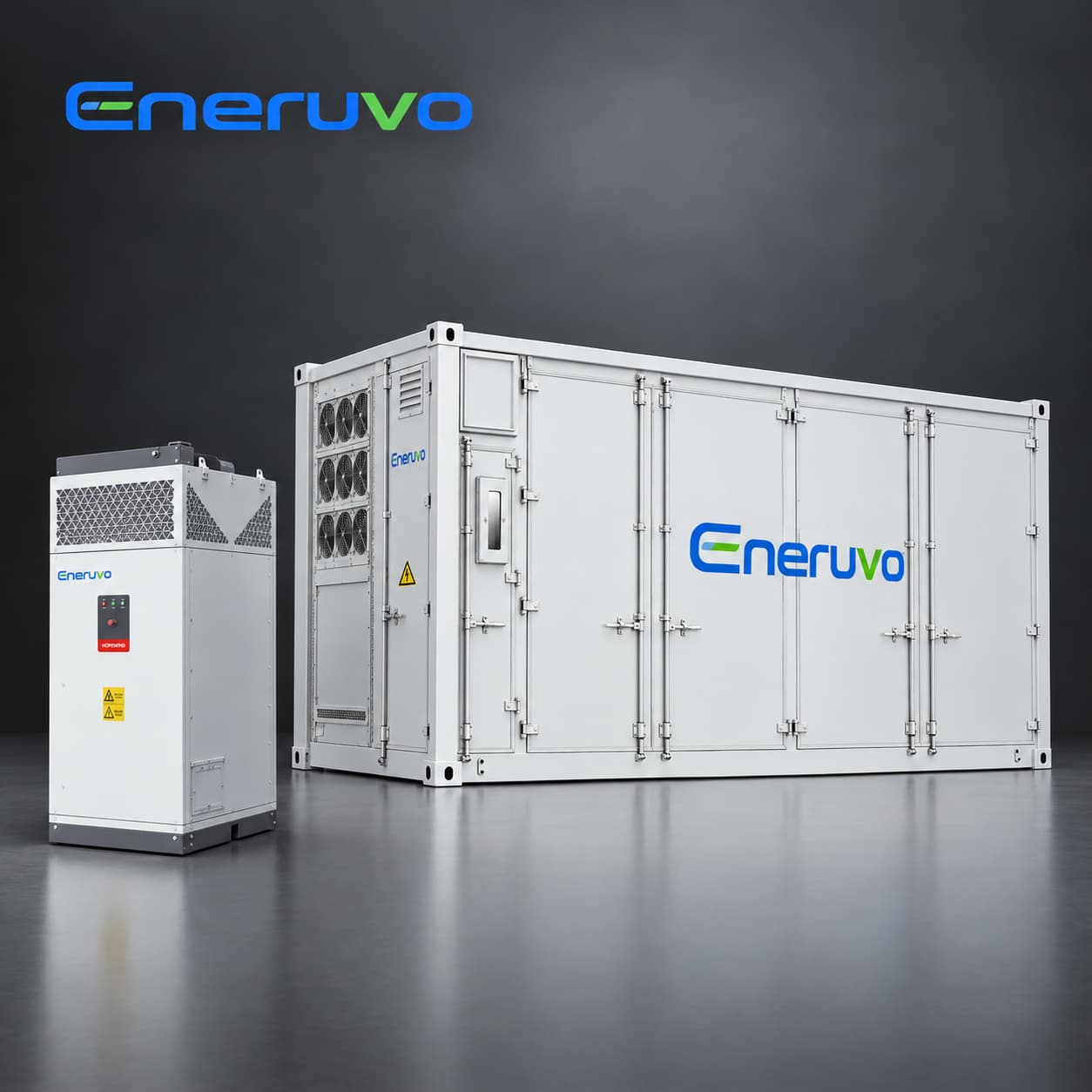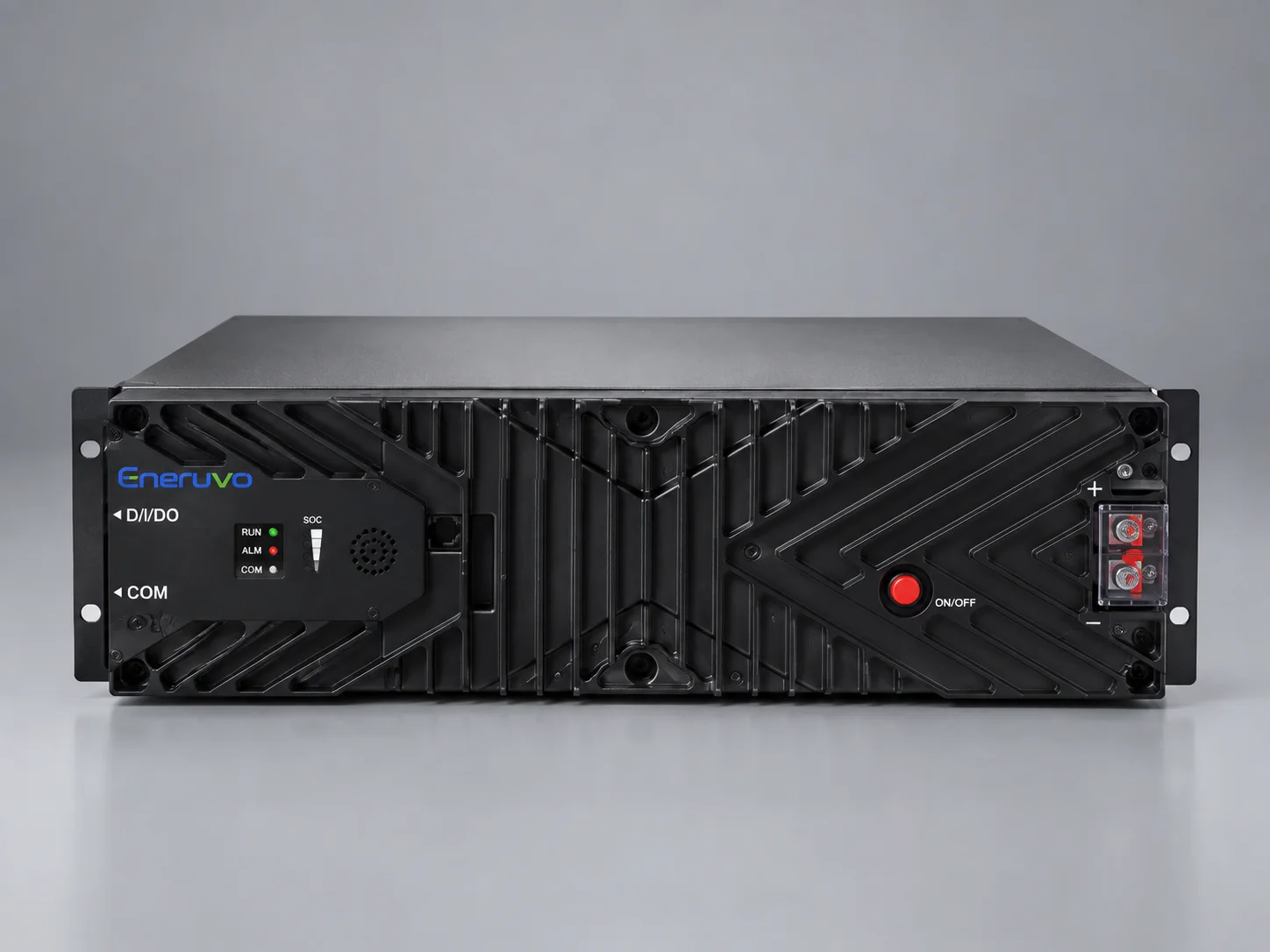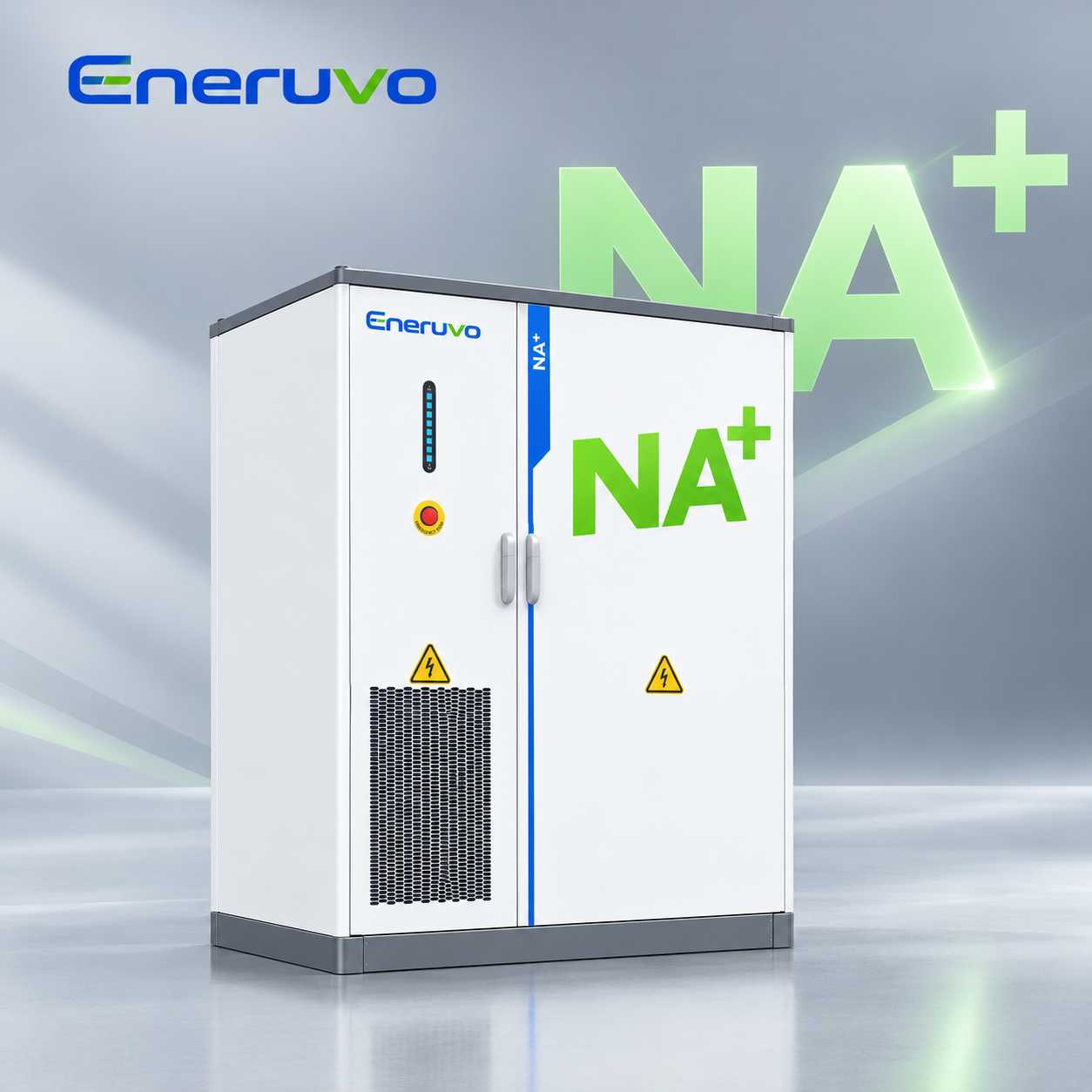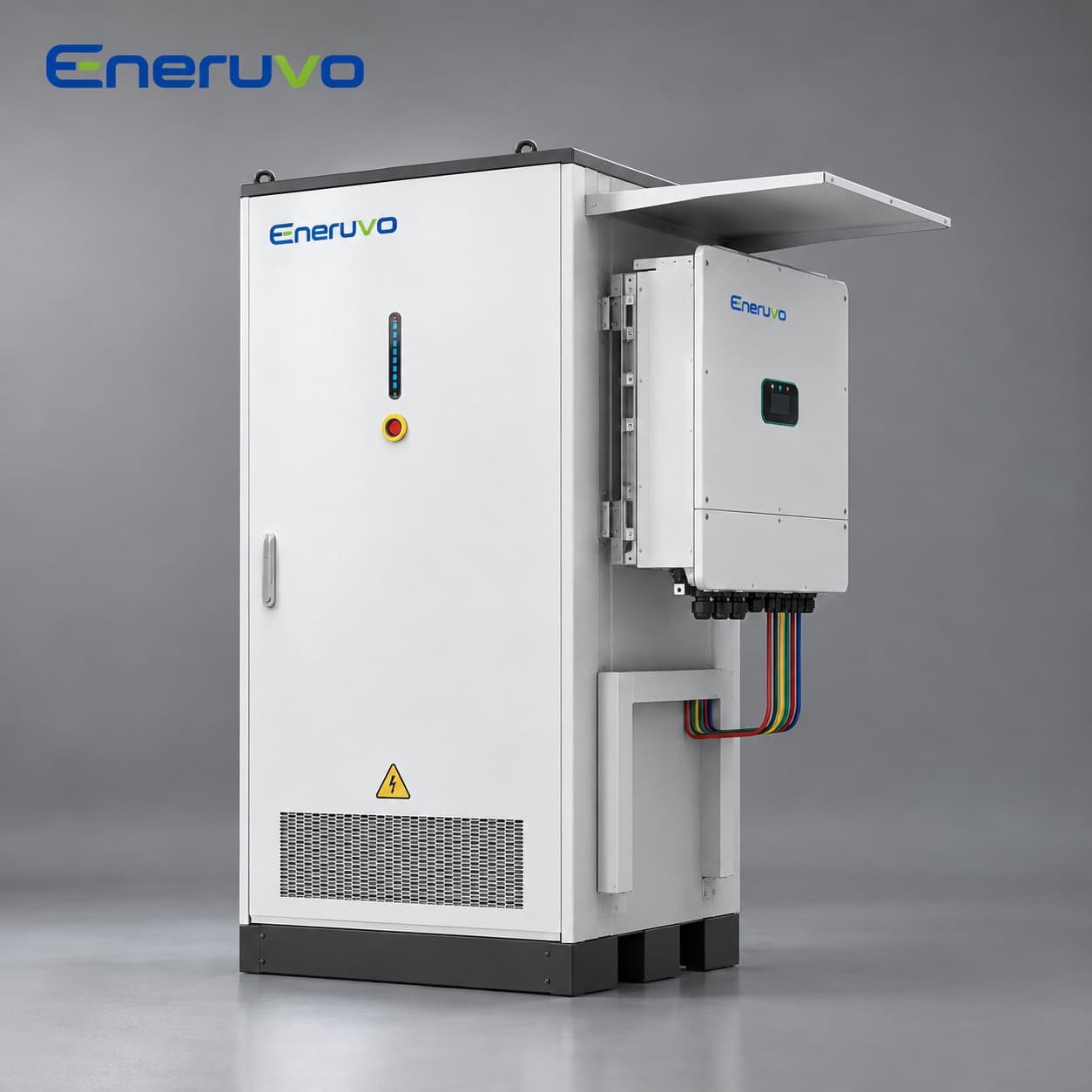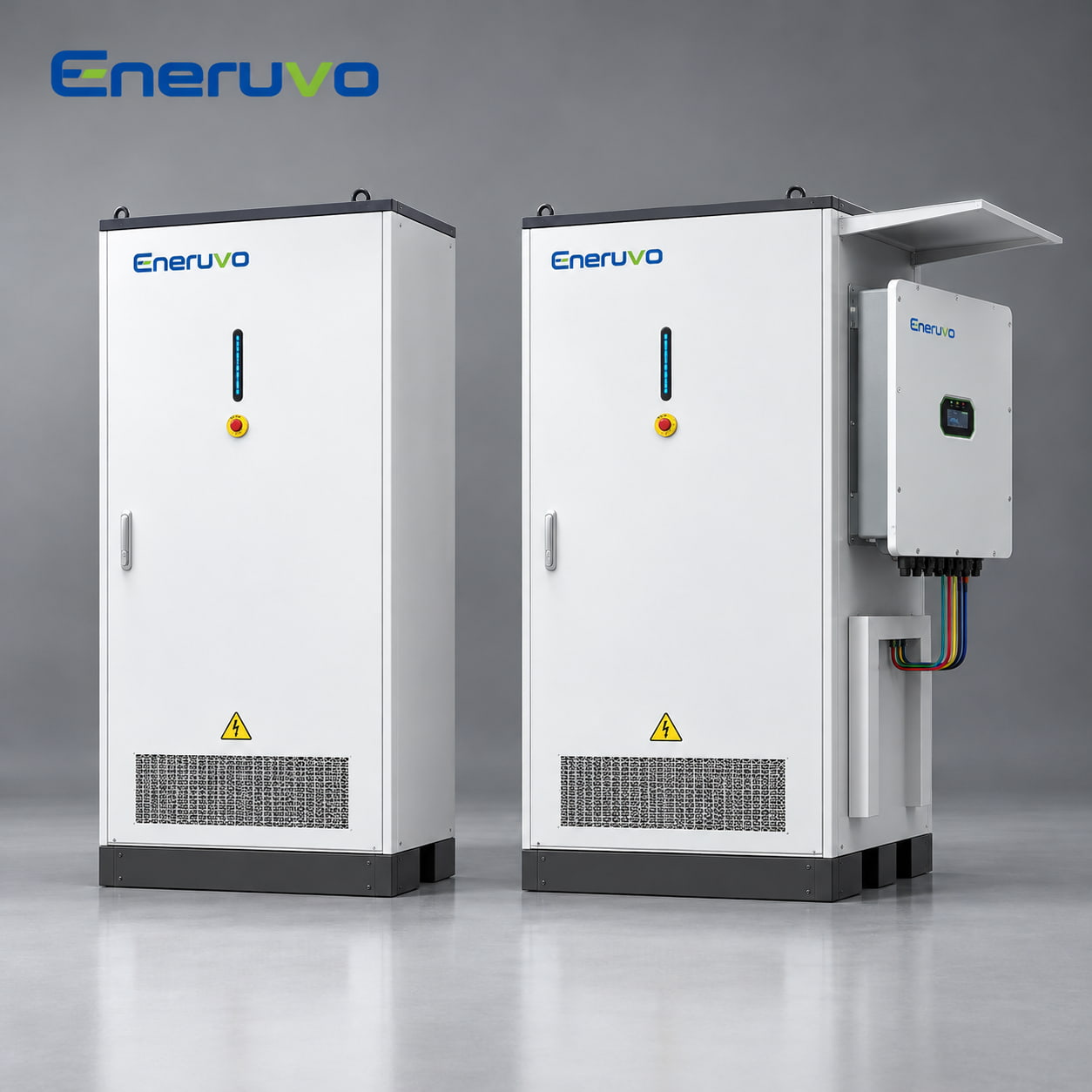
125kW / 261.6kWh Sodium-Ion Hybrid Energy Storage System commercial soudium
The 125kW / 261.6kWh Sodium-Ion Hybrid Energy Storage System integrates a 125kW hybrid inverter with two 130.8kWh sodium-ion battery cabinets. Designed for commercial and industrial applications, it supports solar PV integration, battery energy storage, grid-connected operation, and backup power. With a high-voltage battery architecture and flexible system configuration, it provides an integrated solution for solar energy utilization and intelligent energy management.sodium-ion energy storage system
125kW Sodium-Ion Energy Storage System
Integrated Solar Power and Sodium-Ion Energy Storage
The 125kW / 261.6kWh Sodium-Ion Hybrid Energy Storage System is designed for commercial and industrial facilities seeking a flexible solution for solar power utilization, energy storage, and backup power. The system combines a 125kW hybrid inverter with two 130.8kWh sodium-ion battery cabinets, delivering a total rated battery energy of 261.6kWh.
Using NFPP sodium-ion battery technology, the system provides an alternative to conventional lithium-ion storage for applications requiring integrated renewable energy and energy management capabilities.
Key Product Highlights
1. High-Power Hybrid Inverter
The 125kW hybrid inverter integrates PV input, battery charging and discharging, grid connection, and backup output functions. It supports three-phase AC systems with 380V, 400V, or 415V rated voltage.
2. 261.6kWh Sodium-Ion Battery Storage
Two 130.8kWh battery cabinets provide a combined rated energy capacity of 261.6kWh. The battery system uses 170Ah NFPP sodium-ion cells and supports a high-voltage operating architecture.
3. Solar PV Integration
With a recommended maximum PV array size of 250kW and ten MPPTs, the system supports flexible PV string configuration for commercial and industrial solar installations, subject to detailed electrical design.
4. Grid and Backup Power Functions
The hybrid architecture supports grid-connected energy management and backup power operation. The inverter specifies a backup switching time of less than 10ms, subject to the operating conditions and final system configuration.
5. Integrated Energy Management Potential
The system can be configured for solar self-consumption, peak-demand management, and coordinated battery charging and discharging. Actual control functions depend on the selected EMS, metering, communication interfaces, and commissioning settings.
Typical Applications
- Commercial buildings and industrial facilities
- Factory solar-plus-storage projects
- Distributed photovoltaic energy systems
- Solar self-consumption optimization
- Peak shaving and electricity cost management
- Backup power for selected critical loads
- Industrial parks and commercial energy infrastructure
System Configuration
The standard configuration consists of one 125kW hybrid inverter and two 130.8kWh sodium-ion battery cabinets. Additional monitoring, energy management, metering, and protection components can be specified according to project requirements.
Contact our team to discuss battery compatibility, PV system sizing, operating modes, and a customized commercial energy storage solution.
| Parameter | System Specification |
| Rated AC output power | 125kW |
| Rated battery energy | 261.6kWh |
| Battery configuration | 2 × 130.8kWh |
| Battery cell chemistry | Sodium-ion (NFPP) |
| Battery cell capacity | 170Ah |
| Battery rated voltage | 769.5V per cabinet |
| Battery operating voltage | 540–918V per cabinet |
| Battery rated power | 65.5kW per cabinet |
| Combined battery rated power | 131kW |
| Recommended maximum PV array size | 250kW |
| Maximum PV input voltage | 1,000V |
| MPPT voltage range | 150–950V |
| Number of MPPTs | 10 |
| Maximum PV input strings | 20 |
| AC voltage | 380 / 400 / 415V |
| Grid frequency | 50 / 60Hz |
| Backup switching time | Less than 10ms |
| Maximum inverter efficiency | 97.80% |
| Inverter protection rating | IP66 |
| Battery cabinet protection rating | IP55, based on the outdoor cabinet specification in the supplied data |